Why Small Changes Underfoot Can Mean Big Changes in How Your Horse Lives
Quality of life isn’t just about performance.
It isn’t just about soundness.
And it isn’t just about whether a horse is “lame.”
Quality of life is about how your horse feels every day, when they walk, stand, graze, turn, and interact with the world.
And it starts with the hooves.
Your Horse Lives on Their Feet
Every step your horse takes sends force through:
- The hoof wall
- The sole
- The frog
- The joints
- The tendons
- The muscles
When hooves are comfortable, movement feels natural.
When hooves are compromised, even subtle discomfort can affect:
- Willingness to move
- Posture
- Behavior
- Attitude
- Confidence
Quality of life isn’t just physical, it’s emotional too.
Pain Doesn’t Have to Be Obvious to Matter
Some hoof issues are dramatic.
Others are quiet.
Subtle problems like:
- Thin soles
- White line separation
- Mild laminitic changes
- Heel pain
- Hoof wall weakness
- Capsule distortion
can cause chronic, low-grade discomfort without obvious limping.
Your horse may still move.
They may still eat.
They may still perform.
But they may not feel comfortable.
Comfort Affects Behavior
Horses in discomfort often show it through:
- Shortened strides
- Hesitation on hard ground
- Resistance to hoof handling
- Anxiety on reset day
- Irritability
- Reluctance to move forward
These behaviors aren’t attitude problems.
They’re communication.
A horse that feels better often behaves better.
Quality of Life Is About Daily Comfort
A high-quality life for a horse means:
- Moving willingly
- Standing comfortably
- Feeling confident on different surfaces
- Tolerating routine care
- Being relaxed in their environment
When hooves are well-supported, everyday life becomes easier.
Not perfect, but easier.
Why Hoof Support Matters for QOL
Good hoof support can:
- Reduce pressure on sensitive structures
- Improve weight distribution
- Minimize impact stress
- Protect weak hoof walls
- Support natural movement
For compromised hooves, thoughtful support can mean:
- Less pain
- Less compensation
- Less anxiety
- More comfort
And comfort improves quality of life.
Materials and Fit Influence Comfort
The materials under your horse’s feet matter:
- Rigid shoes provide protection but little cushioning
- Softer materials reduce impact
- Support pads distribute pressure
- Custom-fit designs match the hoof’s real shape
No single material is perfect.
But the right combination can improve how a horse feels.
Why Customization Can Improve QOL
Every hoof is different.
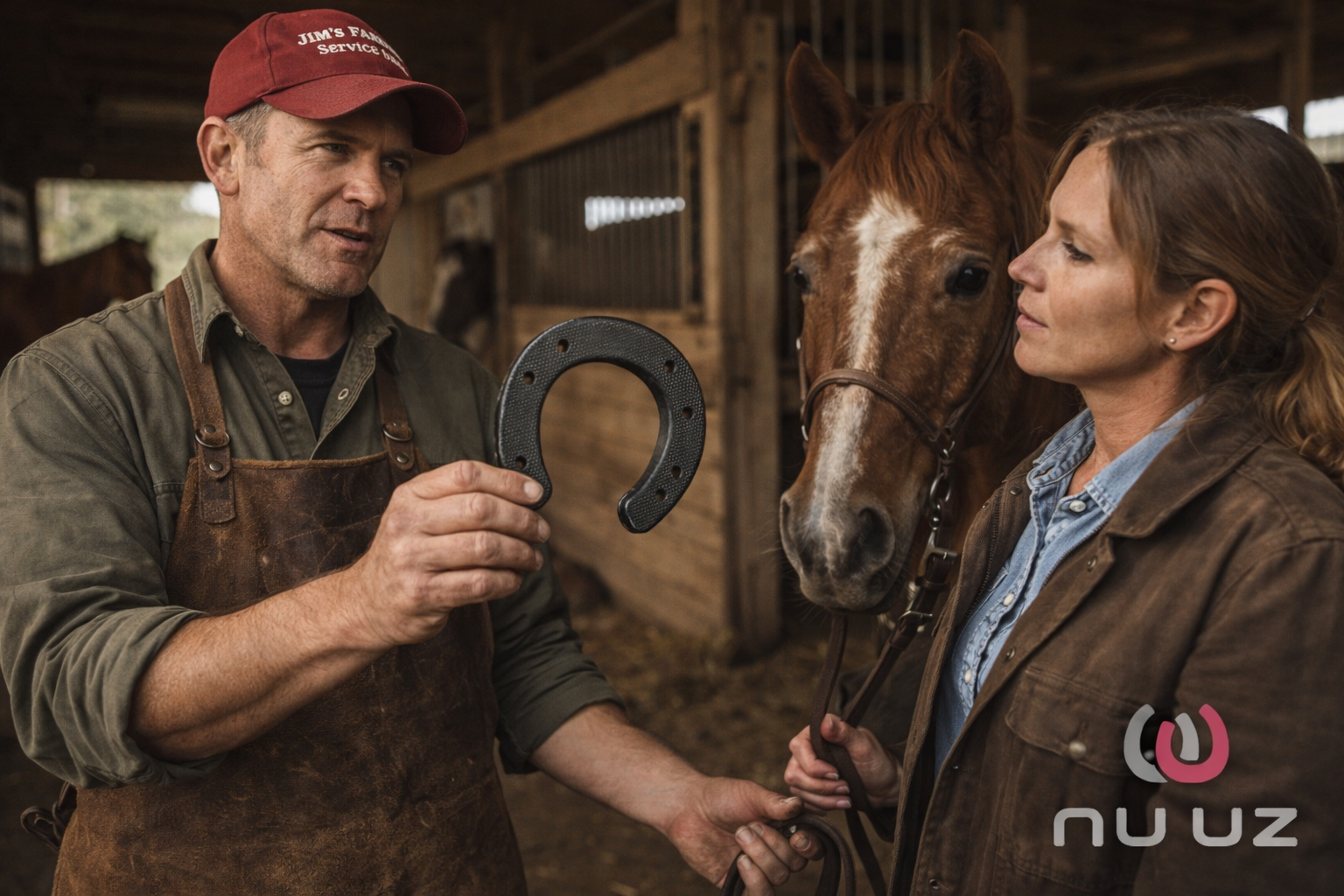
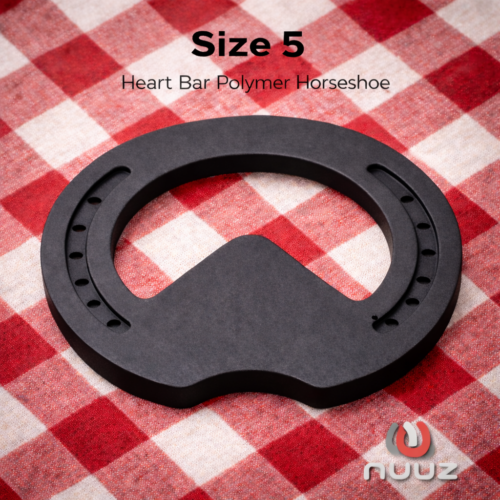
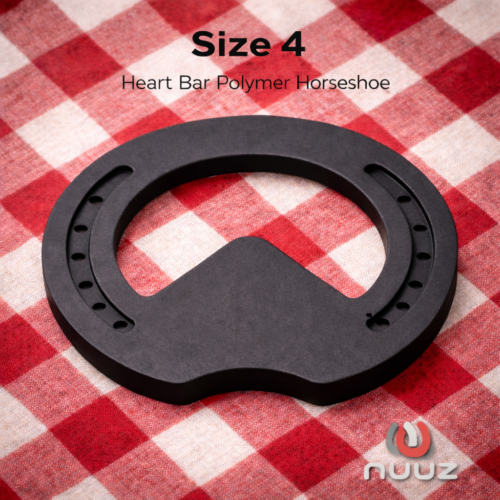
Custom-fit solutions — including modern 3D-printed designs — allow shoes to be shaped around:
- Hoof asymmetry
- Distortion
- Support needs
- Breakover
- Sensitive areas
Instead of forcing the hoof to adapt, the support adapts to the hoof.
That often leads to better comfort, and better quality of life.
Quality of Life Isn’t About “Fixing” a Horse
Some conditions can’t be cured.
But comfort can often be improved.
You don’t need a miracle.
You need thoughtful care.
Small improvements in comfort can lead to:
- Easier movement
- Happier behavior
- Reduced stress
- Better daily experiences
That’s quality of life.
Your Role as an Owner
Your horse can’t tell you when something hurts.
But you can observe:
- How they move
- How they stand
- How they behave
- How they respond to care
Noticing changes, and asking questions, is part of responsible horsemanship.
Final Thought
Quality of life isn’t measured in ribbons.
It’s measured in comfort.
When hooves feel better, horses live better.
FAQ for Owners
Does my horse need to be lame to have poor QOL?
No. Subtle discomfort can still affect daily life.
Can better hoof support improve behavior?
Often, yes. Comfort influences mood and willingness.
Is special shoeing always necessary?
Not for every horse, but some benefit from more tailored support.
Should I talk to my farrier about QOL?
Yes. Comfort-focused conversations help horses.
Call to Action
If your horse’s comfort matters, their hooves matter.
Pay attention to:
- Movement
- Posture
- Behavior
- Reset day reactions
Then talk with your farrier about support options that prioritize comfort and quality of life, not just tradition.
Because a comfortable horse doesn’t just move better.
They live better.
About the author : Walt Jaeger