Hoof Care Myths
What Many Owners Believe and What Horses Really Need
Hoof care has deep traditions.
Many practices are passed down through generations of horse owners, trainers, and farriers.
But tradition isn’t the same as truth.
Some common beliefs about horseshoes, hoof pain, and comfort can unintentionally keep horses from feeling their best. Let’s separate myth from reality, with your horse’s quality of life in mind.
Myth 1: “If my horse isn’t lame, they aren’t in pain.”
Reality:
Horses are experts at hiding discomfort.
Subtle hoof issues like thin soles, white line separation, mild laminitic changes, or heel pain can cause ongoing discomfort without obvious limping. Horses often adapt their movement instead of showing clear lameness.
Behavior changes, not just gait changes, are often the first clue.
Myth 2: “All horses hate shoeing.”
Reality:
Many horses tolerate shoeing just fine when they’re comfortable.
When a horse consistently becomes anxious, resistant, or defensive during hoof handling, it may be a response to discomfort, not attitude.
Pain teaches animals to anticipate stress.
Reducing discomfort often reduces resistance.
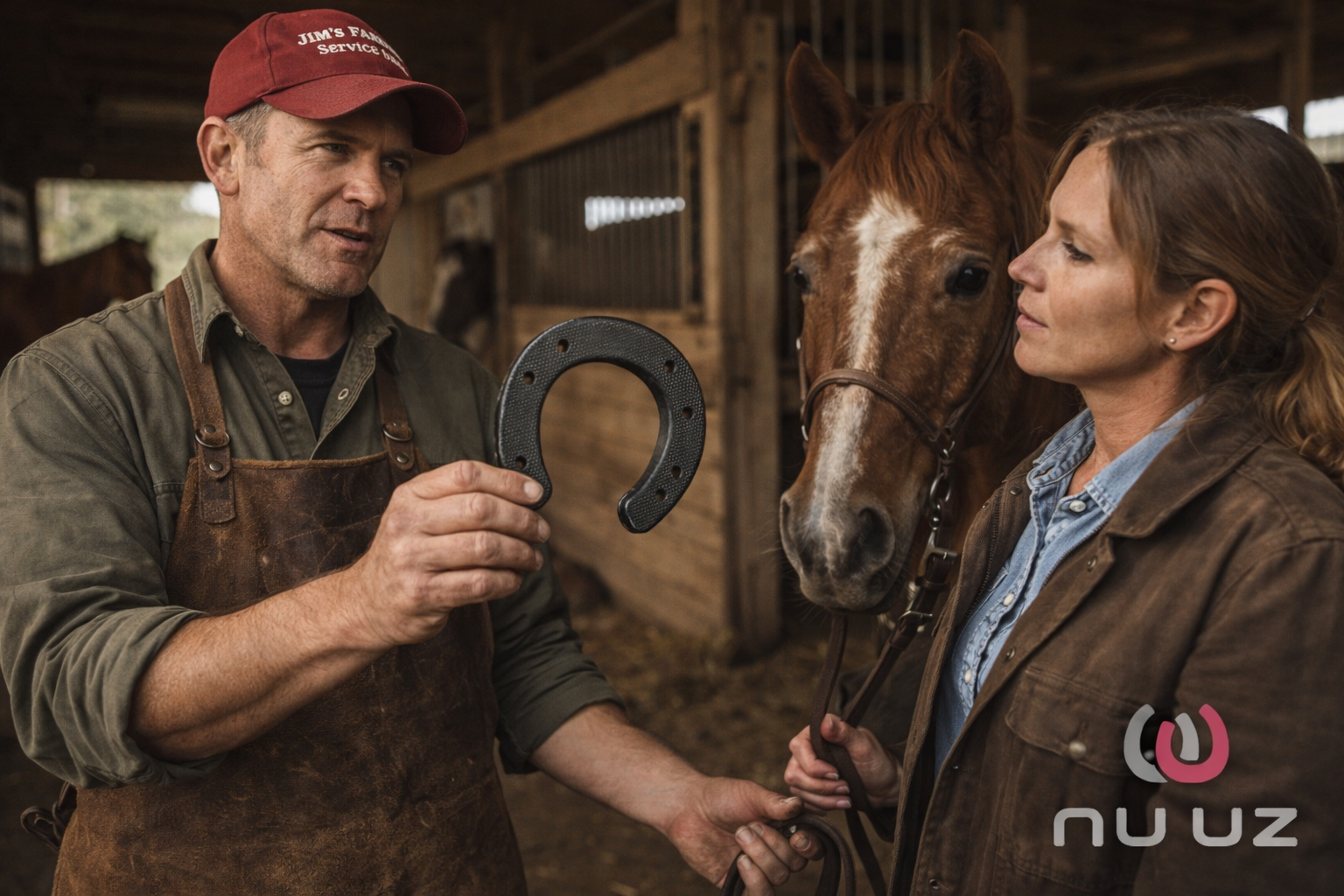
Myth 3: “Metal shoes are the best option for every horse.”
Reality:
Metal shoes are durable and effective for many healthy horses.
But for sensitive or compromised hooves, rigid, nail-on systems can increase mechanical stress, transmit impact forces, and strain weak hoof walls.
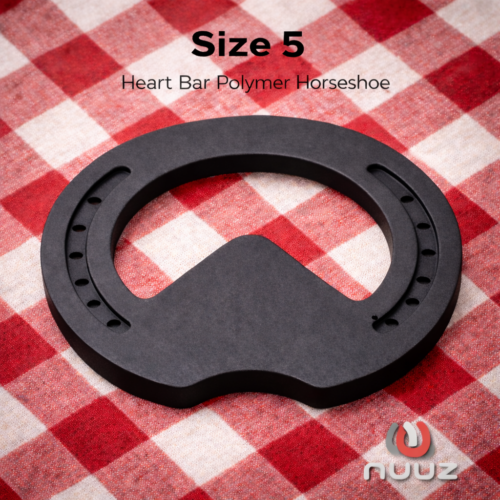
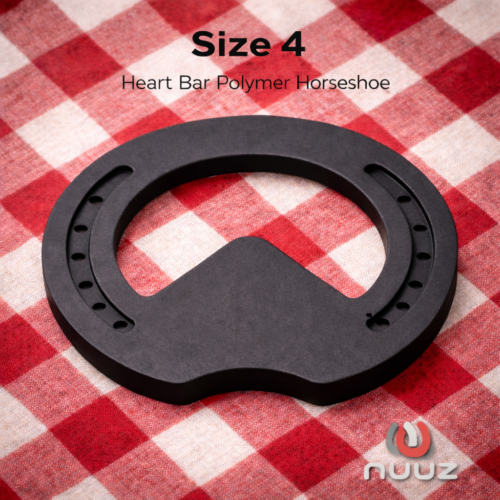
Some horses benefit from softer materials, glue-on systems, or custom-fit designs that prioritize comfort.
Myth 4: “Glue-on shoes are just a temporary fix.”
Reality:
Glue-on systems are widely used in therapeutic farriery for horses with fragile hoof walls, poor nail retention, or sensitivity.
They allow nail-free attachment and enable support designs that protect compromised structures.
They aren’t “inferior”. They’re different tools for different needs.
Myth 5: “Custom shoes are only for elite performance horses.”
Reality:
Customization is often most helpful for horses with:
- Hoof distortion
- Laminitic changes
- White line disease
- Thin soles
- Chronic sensitivity
Custom-fit support isn’t about performance, it’s about comfort and biomechanics.
Myth 6: “If the shoe fits, the horse is comfortable.”
Reality:
A shoe can fit the hoof technically and still cause discomfort.
Comfort depends on:
- Pressure distribution
- Breakover placement
- Support location
- Hoof health
- Material stiffness
Fit and comfort are related, but not identical.
Myth 7: “Soft materials are too weak to support horses.”
Reality:
Soft materials like urethane and TPU aren’t meant to replace structural support, they’re meant to complement it.
They absorb shock, distribute pressure, and protect sensitive areas.
In multi-material designs, softness improves comfort while rigid elements maintain structure.
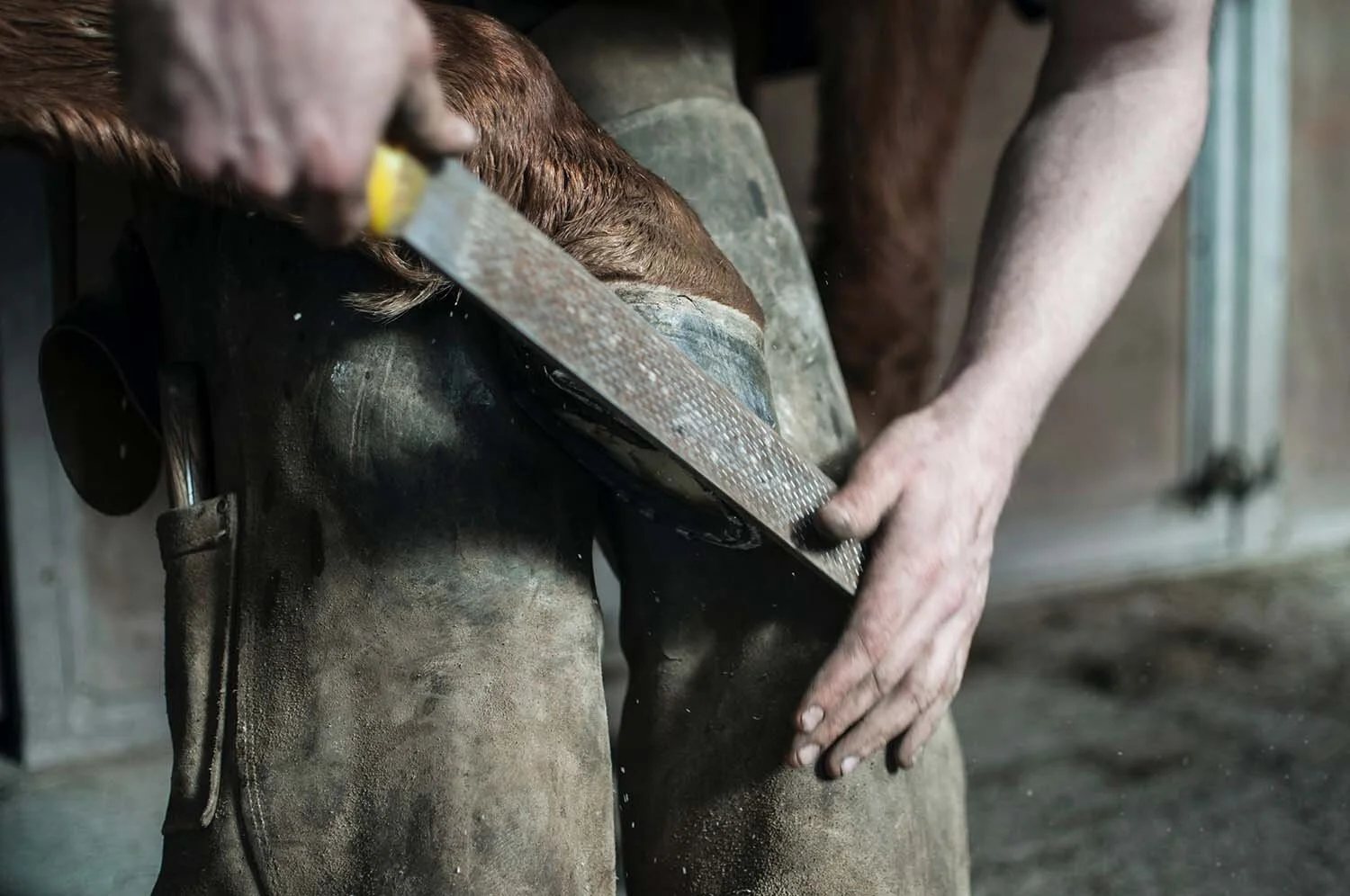
Myth 8: “If my farrier hasn’t suggested alternatives, I shouldn’t ask.”
Reality:
Good hoof care is a partnership.
Owners provide daily observation.
Farriers provide technical expertise.
Asking respectful, comfort-focused questions helps horses — not hurts relationships.
Myth 9: “Behavior issues are training problems, not hoof problems.”
Reality:
Discomfort often shows up as:
- Resistance
- Anxiety
- Irritability
- Hesitation
- Defensiveness
Pain affects behavior in every species.
Hoof comfort plays a major role in how a horse feels and acts.
Myth 10: “Comfort-focused shoeing is just a trend.”
Reality:
Modern hoof care is evolving because:
- Materials have improved
- Adhesives allow nail-free support
- 3D printing enables custom geometry
- Biomechanics are better understood
Comfort-focused approaches aren’t trends, they’re progress.
Why These Myths Matter
Beliefs shape decisions.
When myths go unchallenged, horses may continue to live with unnecessary discomfort, quietly adapting, compensating, and tolerating.
Better understanding leads to better care.
Final Thought
Your horse can’t tell you what hurts.
But their hooves, and their behavior, tell a story.
When we replace myths with awareness, we give horses the comfort they deserve.
FAQ for Owners
Do I need to change everything about my horse’s hoof care?
No. Just stay open to comfort-focused adjustments.
Are new shoeing methods always better?
Not always — but some horses benefit from modern options.
Is asking questions being difficult?
No. It’s being responsible.
Can comfort improve quality of life?
Absolutely.
Call to Action
If your horse’s comfort matters, don’t let myths guide your decisions.
Talk with your farrier about:
- Comfort
- Fit
- Materials
- Support options
- Your horse’s behavior
Because when knowledge improves, so does your horse’s quality of life.
About the author : Walt Jaeger