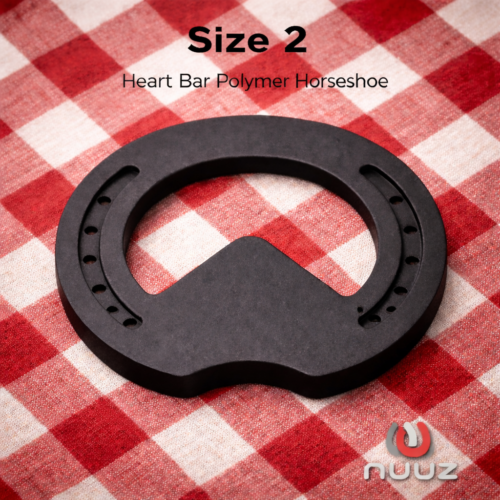
A Research-Based Look at MMA Adhesive Shoes for Horses
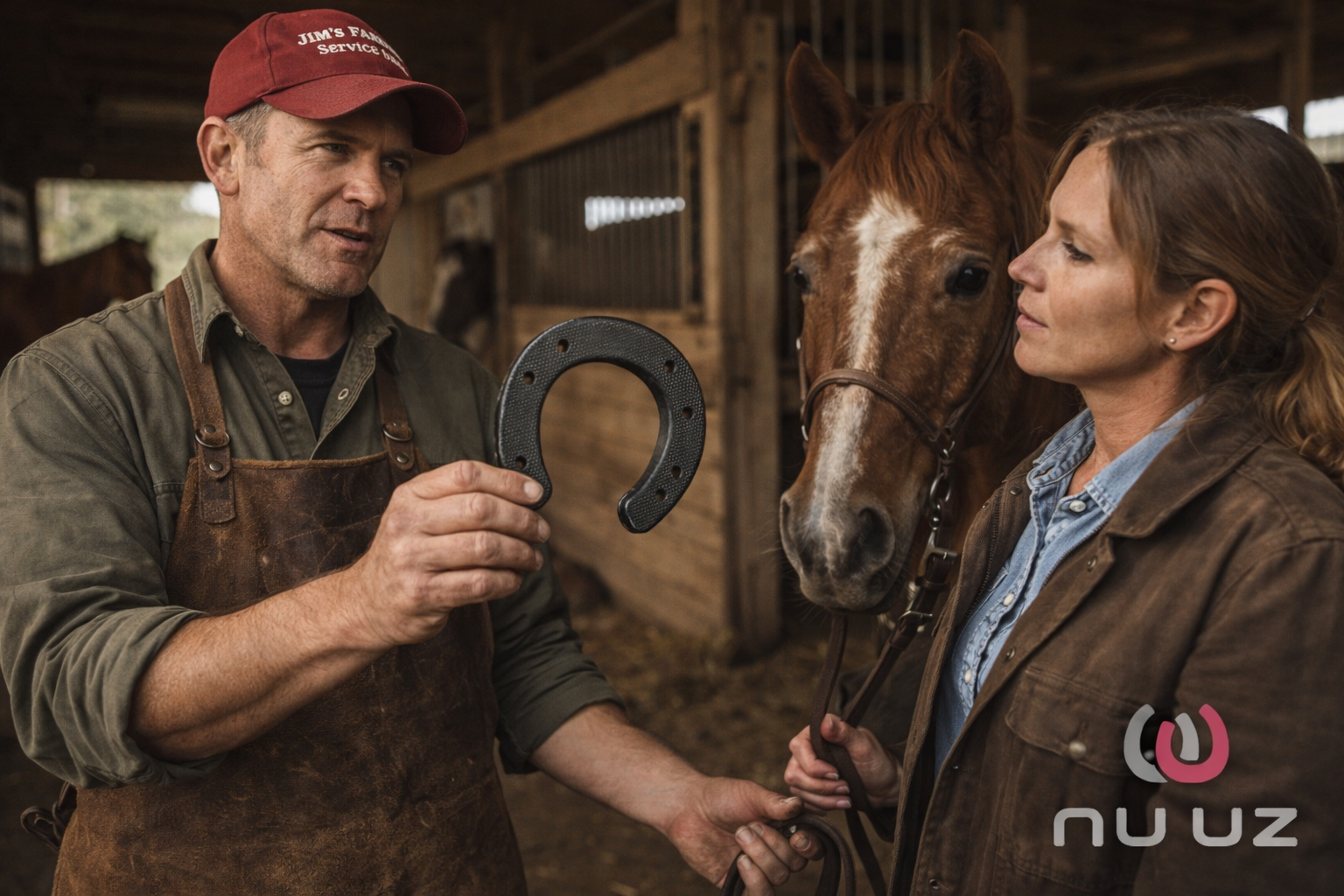
Glue-on horseshoes, especially those attached using methyl methacrylate (MMA) adhesives, are becoming increasingly popular among farriers and horse owners. These systems are often used on horses with thin, cracked, or damaged hoof walls, or in therapeutic situations where traditional nail-on shoes are not ideal.
But are glue-on shoes actually better for hoof health?
Let’s take a research-driven look at what science says about glue-on horseshoes, how they affect hoof mechanics, and where they offer real advantages over nail-on shoes.
What Are Glue-On (MMA) Horseshoes?
Glue-on horseshoes are bonded to the hoof using strong industrial adhesives rather than nails. MMA adhesives are commonly used because they:
- Create a strong mechanical bond
- Cure quickly
- Work in a wide range of temperatures
- Bond to hoof wall, composite shoes, and metal
Unlike traditional shoeing, glue-on systems do not require nail holes, which can be beneficial for compromised hooves.
Why Avoiding Nails Can Matter for Hoof Health
Nail holes penetrate the hoof wall and can:
- Weaken already thin or shelly walls
- Contribute to cracks and wall separation
- Increase the risk of infection in compromised feet
Glue-on systems eliminate nail holes entirely, making them especially useful for:
- Horses with laminitis
- Hoof wall defects or white line disease
- Post-surgical or rehabilitative cases
- Young horses with soft hoof walls
This advantage is widely recognized in clinical farriery practice.
How Glue-On Shoes Affect Hoof Mechanics
A key concern in farriery is how shoes influence natural hoof movement, particularly heel expansion and contraction, which play a role in shock absorption and circulation.
Study 1: Yoshihara et al. (2010)
This controlled study measured heel movement in horses wearing:
- Nailed aluminum shoes
- Direct-glued aluminum shoes
Findings:
- Glued shoes reduced total heel movement at all gaits
- This suggests rigid glue-on systems can limit natural hoof deformation
Implication:
Some glue-on configurations may restrict hoof expansion more than nailed shoes, depending on design.
Study 2: Takahashi et al. (2022)
This study compared:
- Flexible polyurethane glue-on shoes
- Hanton-type adhesive shoes
- Traditional nailed shoes
Findings:
- Polyurethane glue-on shoes showed no significant difference in total heel movement compared to nailed shoes
- Only minor gait-specific differences were observed with other adhesive systems
Implication:
Modern flexible glue-on designs can preserve hoof motion similarly to nailed shoes.
Barefoot vs. Shod: Important Context
Research consistently shows:
- Barefoot hooves exhibit the greatest natural expansion
- Both glued and nailed shoes reduce hoof deformation compared to barefoot
This means glue-on shoes are not “more natural” than nails, but some designs are no worse, mechanically speaking.
Therapeutic Benefits of Glue-On Shoes
Glue-on systems are widely used in therapeutic farriery, particularly for:
- Laminitis management
- Frog support
- Hoof capsule stabilization
- Load redistribution
Because glue-on shoes can be applied with cuffs, extensions, and supportive materials, they allow:
- Customized frog pressure
- Heel or toe support
- Protection without wall penetration
While large-scale clinical outcome studies are limited, therapeutic glue-ons are supported by biomechanics research and long-standing clinical practice.
Hoof Capsule Distortion and Glue-On Systems
One of the most relevant hoof-health findings comes from:
Reilly et al. (2009)
This study evaluated a fabric-cuff glue-on shoe system and found:
- Significant reduction in dorsal hoof wall deviation
- Improved hoof capsule alignment over time
Why this matters:
Capsule distortion (flares, dishing, underrun heels) is a major contributor to long-term hoof pathology. A shoeing system that helps stabilize the capsule without damaging the wall offers a real health advantage.
Practical Advantages of MMA Glue-On Shoes
1. No Nail Trauma
Eliminates wall damage from nails.
2. Better for Weak Hooves
Ideal for thin, cracked, or shelly walls.
3. Therapeutic Flexibility
Supports frog, sole, and capsule as needed.
4. Modern Materials Preserve Motion
Flexible designs mimic natural mechanics better than older rigid glue-ons.
5. Reduced Infection Risk
No nail holes = fewer entry points for bacteria.
Limitations of Current Research
It is important to be transparent:
- Most studies measure biomechanics, not long-term health outcomes
- Large-scale clinical trials are still limited
- Results vary by shoe design and material
This means glue-on shoes are not universally “better,” but they are clearly beneficial in specific cases.
What Farriers and Horse Owners Should Know
Glue-on horseshoes with MMA adhesives are most beneficial when:
- The hoof wall is compromised
- Nails would cause damage
- Therapeutic support is needed
- Capsule distortion is present
- Temporary or rehabilitative shoeing is required
For healthy, strong hooves in routine work, nail-on shoes remain perfectly valid.
Final Verdict: Are Glue-On Shoes Better for Hoof Health?
In the right situations, yes.
Research supports that glue-on systems:
- Protect weakened hoof walls
- Reduce capsule distortion
- Can preserve natural hoof motion
- Enable advanced therapeutic support
They are not a universal replacement for nailed shoes, but they are an evidence-supported tool for improving hoof health when used correctly.
References (Research & Sources)
- Yoshihara, E., et al. (2010).
Effect of glue-on shoes on hoof wall deformation.
Equine Veterinary Journal.
https://pubmed.ncbi.nlm.nih.gov/21059041/ - Takahashi, T., et al. (2022).
Hoof deformation in horses wearing polyurethane glue-on shoes.
Journal of Equine Veterinary Science.
https://pubmed.ncbi.nlm.nih.gov/35341910/ - Reilly, P., et al. (2009).
Reduction of dorsal hoof wall deviation using an indirect glue-on system.
Journal of Equine Veterinary Science. - Red Horse Products.
Glue-on horseshoes: Help or hindrance?
https://redhorseproducts.com/blog/2025/09/22/glue-on-horseshoes-help-or-hinderance/ - Virginia Tech Equine Biomechanics Research.
Hoof deformation in shod vs barefoot horses.
https://vtechworks.lib.vt.edu
About the author : Walt Jaeger