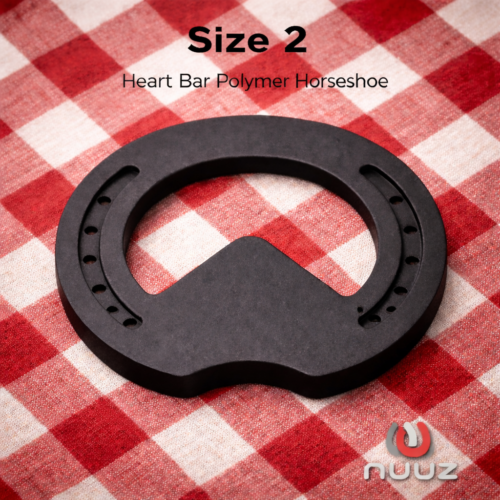
A Research-Based Guide for EMS, IR, and PPID Hoof Health
Horses with Equine Metabolic Syndrome (EMS), Insulin Resistance (IR), and PPID (Cushing’s disease) face significantly higher risks of:
- Laminitis
- Weak or brittle hoof walls
- Poor horn quality
- White line disease
- Chronic hoof pain
- Hoof capsule distortion
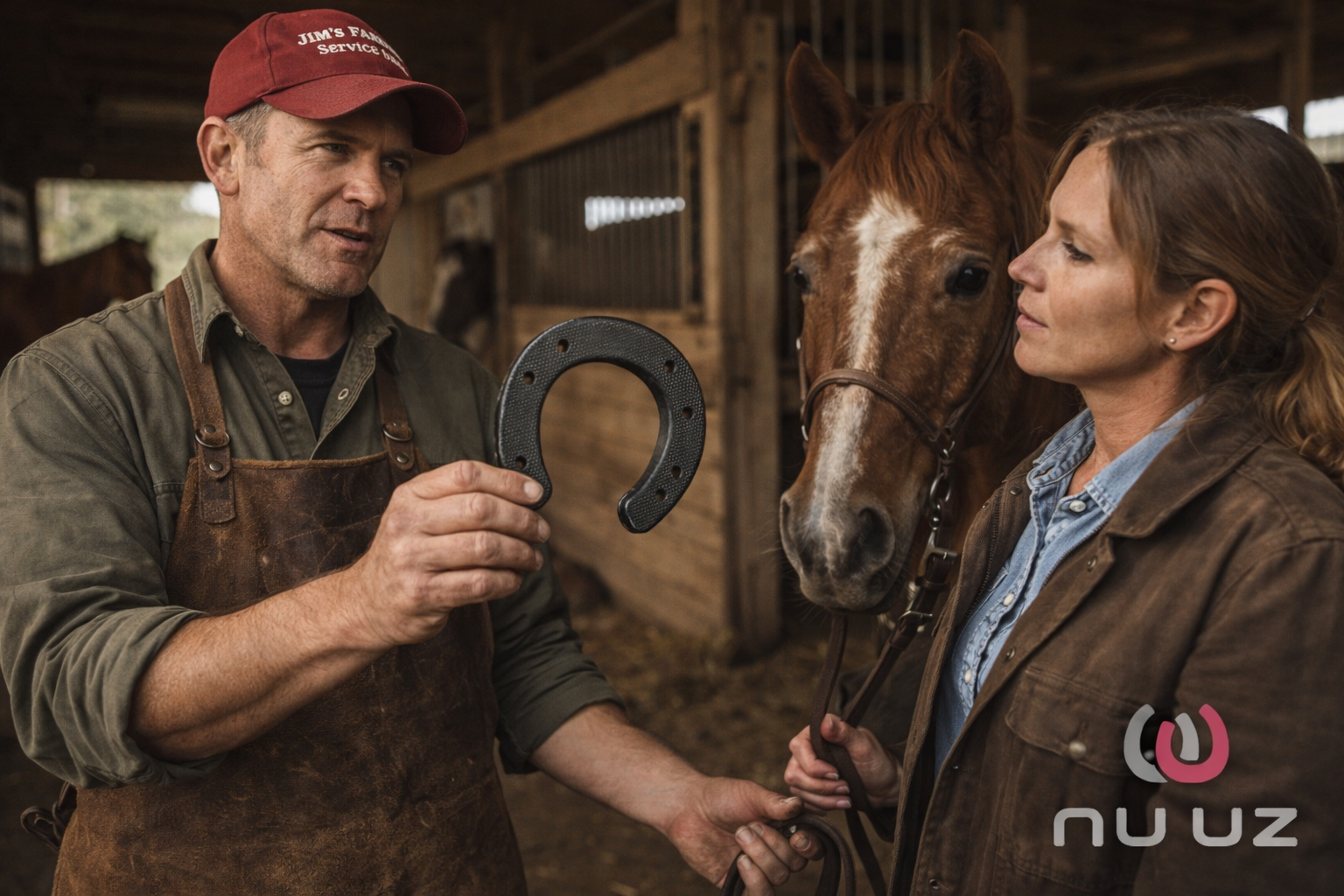
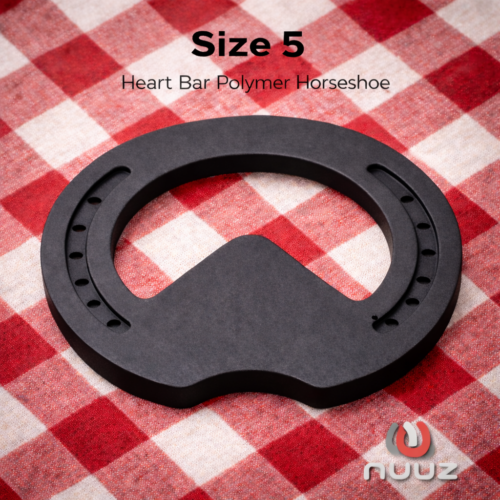
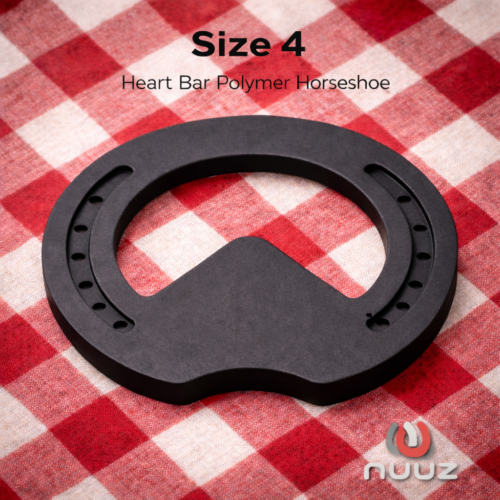
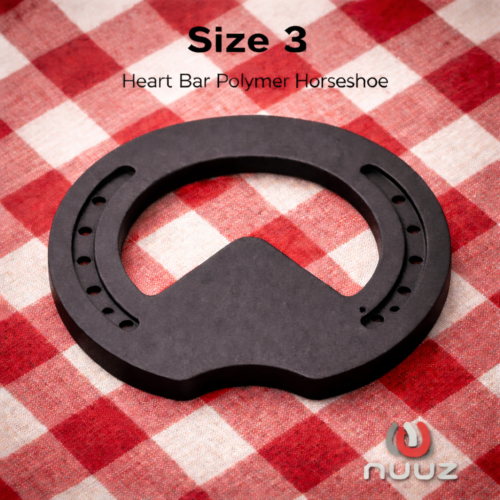
These conditions compromise the laminar attachment between the hoof wall and the internal structures of the foot, making proper mechanical support critical. Glue-on horseshoes bonded with MMA (methyl methacrylate) adhesives offer a research-supported alternative to traditional nail-on shoes in these high-risk cases.
Why Metabolic Horses Have Weaker Hooves
Insulin dysregulation and chronic inflammation impair the laminae that suspend the coffin bone within the hoof capsule. Research has shown that:
- Hyperinsulinemia alone can induce laminitis (Asplin et al., 2007)
- Insulin dysregulation damages laminar tissues even without carbohydrate overload (de Laat et al., 2010)
This weakens hoof wall attachment, increases capsule distortion, and reduces horn quality.
1. No Nail Holes in Fragile Hoof Walls
Metabolic horses often have thin, shelly, or compromised hoof walls. Driving nails into weakened horn can:
- Worsen wall separation
- Increase cracking
- Delay healing
- Create infection pathways
Glue-on shoes eliminate nail penetration, preserving remaining wall integrity.
Supporting research:
O’Grady & Poupard (2003) and Pollitt (2004) describe reduced nail-holding capacity in compromised hoof walls.
2. Reduced Hoof Capsule Distortion
Laminitic and metabolic hooves frequently develop:
- Flaring
- Dishing
- Underrun heels
- Divergent growth patterns
Reilly et al. (2009) evaluated an indirect fabric-cuff glue-on system and found a significant reduction in dorsal hoof wall deviation, improving capsule alignment without nail trauma.
3. Improved Comfort Through Load Redistribution
Glue-on systems allow for:
- Frog support
- Sole protection
- Heel stabilization
- Controlled breakover
These features reduce stress on damaged laminae.
Sleutjens et al. (2018) found frog-supportive glue-on shoes altered hoof kinetics in ways consistent with improved comfort in obese ponies (a high-laminitis-risk population).
4. Modern Glue-Ons Preserve Hoof Motion
A common concern is whether glue-on shoes restrict natural hoof expansion.
- Yoshihara et al. (2010) found rigid glued aluminum shoes reduced heel movement more than nailed shoes.
- Takahashi et al. (2022) showed flexible polyurethane glue-on shoes had no significant difference in total heel movement compared to nailed shoes.
This highlights the importance of modern, flexible glue-on designs.
5. Better Adhesion to Poor-Quality Horn
MMA adhesives rely on surface bonding, not mechanical grip. This makes them effective on:
- Soft horn
- Crumbling walls
- Poor nail retention
O’Grady (2003) notes that compromised horn reduces nail stability, while adhesive systems remain reliable.
6. Reduced Infection Risk
Metabolic horses are more prone to:
- White line disease
- Seedy toe
- Subsolar infections
Nail holes provide direct bacterial entry points. Glue-on systems reduce these portals of entry.
Supporting sources:
Parks (2003); Pollitt (2004)
7. Safer for Laminitis-Prone Feet
In laminitic horses:
- Laminar attachment is weakened
- Hoof capsule stability is reduced
- Nail placement may worsen separation
Glue-on shoes provide stabilization without penetrating the wall, reducing mechanical insult during recovery.
Summary: Research-Aligned Benefits
| Benefit | Supporting Evidence |
|---|---|
| No nail trauma | O’Grady 2003; Pollitt 2004 |
| Reduced capsule distortion | Reilly 2009 |
| Therapeutic support | Sleutjens 2018 |
| Preserved hoof motion (flexible glue-ons) | Takahashi 2022 |
| Laminitis safety | Asplin 2007; de Laat 2010 |
| Reduced infection risk | Parks 2003; Pollitt 2004 |
Final Takeaway
For horses with EMS, IR, or PPID, glue-on horseshoes bonded with MMA adhesives offer:
- Hoof wall preservation
- Reduced capsule distortion
- Safer laminitis support
- Lower infection risk
- Improved comfort during recovery
While not a cure for metabolic disease, they are a research-aligned mechanical strategy for protecting fragile hooves and improving quality of life.
FAQ
Are glue-on horseshoes better for laminitis?
Research shows glue-on systems reduce hoof wall trauma and allow therapeutic support without nail damage, making them useful in laminitic cases.
Do glue-on shoes weaken the hoof?
No. Unlike nails, glue-on shoes avoid wall penetration and may help preserve compromised horn integrity.
Can metabolic horses wear nail-on shoes?
Yes, but compromised horn quality often makes glue-on systems safer and more durable.
Are MMA adhesives safe for horses?
When used correctly, MMA adhesives are widely used in therapeutic farriery and veterinary applications.
References
Asplin KE et al. (2007). Induction of laminitis by prolonged hyperinsulinaemia in clinically normal ponies. American Journal of Veterinary Research.
de Laat MA et al. (2010). Insulin-induced laminitis: Pathology and mechanisms. Equine Veterinary Journal.
Pollitt CC (2004). Equine laminitis: A revised pathophysiology. Equine Veterinary Journal.
O’Grady SE & Poupard DA (2003). Physiology, pathology, and therapeutic principles of the equine hoof wall. Vet Clin North Am Equine.
Reilly P et al. (2009). Reduction of dorsal hoof wall deviation using an indirect glue-on shoe system. Journal of Equine Veterinary Science.
Sleutjens J et al. (2018). Effects of frog-supportive glue-on shoes on hoof kinetics. Equine Veterinary Journal.
Takahashi T et al. (2022). Hoof deformation in horses wearing polyurethane glue-on shoes. Journal of Equine Veterinary Science.
Yoshihara E et al. (2010). Effect of glue-on shoes on hoof wall deformation. Equine Veterinary Journal.
Parks AH (2003). Equine podiatry: Infection and wall separation. Equine Podiatry.
We can help!
Looking for therapeutic glue-on shoe solutions for metabolic or laminitic horses?
Contact us to learn more about our solutions!
About the author : Walt Jaeger