A Guide for Owners Who Want to Prioritize Hoof Comfort
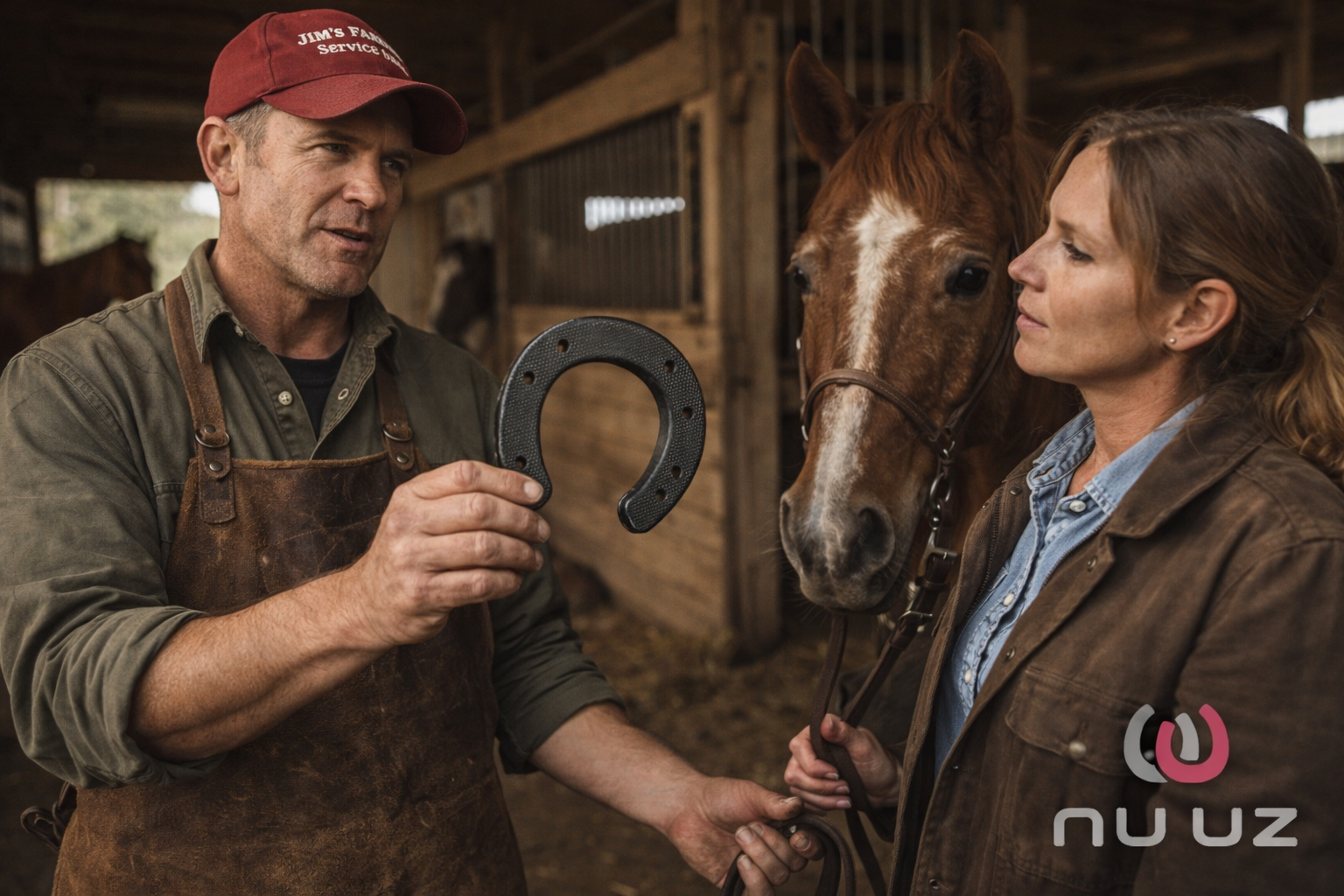
Your farrier is one of the most important partners in your horse’s care.
They bring skill, experience, and hands-on knowledge to every trim and reset. But as a horse owner, you bring something just as valuable:
Daily observation.
You see how your horse moves, stands, behaves, and reacts, long before and long after reset day. When something doesn’t feel right, it’s okay to start a conversation.
The key is how you approach it.
Start With Observations, Not Assumptions
Instead of saying:
“Something is wrong with my horse’s shoes.”
Try:
“I’ve noticed my horse seems more hesitant on hard ground lately.”
Good conversation starters include:
- “My horse has been shifting weight more when standing.”
- “Reset day has become more stressful for them.”
- “They seem more sensitive on one foot.”
- “Their movement looks a little shorter lately.”
Observations invite discussion. Accusations shut it down.
Ask About Comfort, Not Just Fit
Shoes can fit the hoof technically and still not feel comfortable for the horse.
Helpful questions:
- “Do you think my horse’s hooves could be sensitive right now?”
- “Are there ways to reduce pressure on certain areas?”
- “Could breakover or support be adjusted for comfort?”
- “Is there a shoeing approach that might be easier on their hooves?”
This keeps the focus on the horse’s experience, not the shoe itself.
Bring Up Behavior as Information
Behavior changes often reflect comfort.
You might say:
- “My horse has become more resistant to hoof handling.”
- “They seem anxious when the farrier arrives.”
- “They’re more reactive under saddle than they used to be.”
These details help your farrier understand what your horse is feeling, not just what the hooves look like.
Ask About Options, Not Just Tradition
Many farriers have access to multiple approaches, including:
- Nail-on shoes
- Glue-on systems
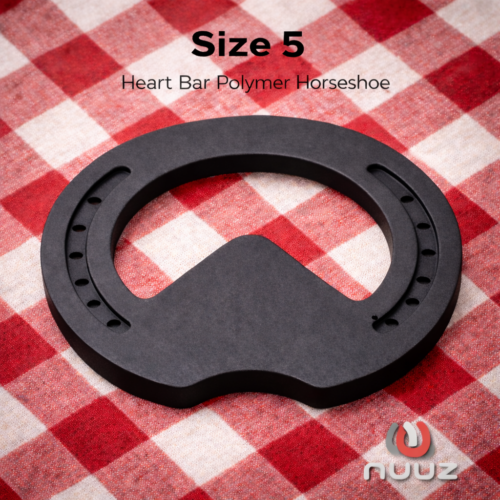
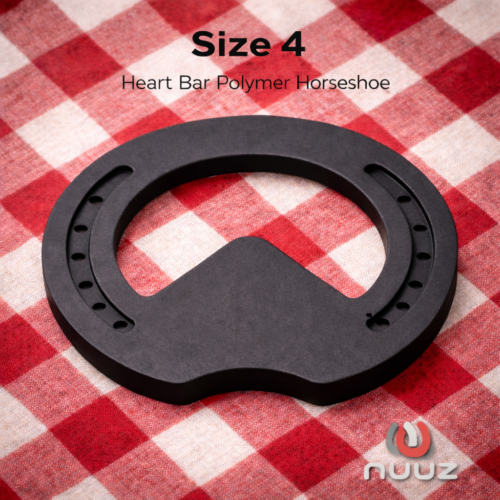
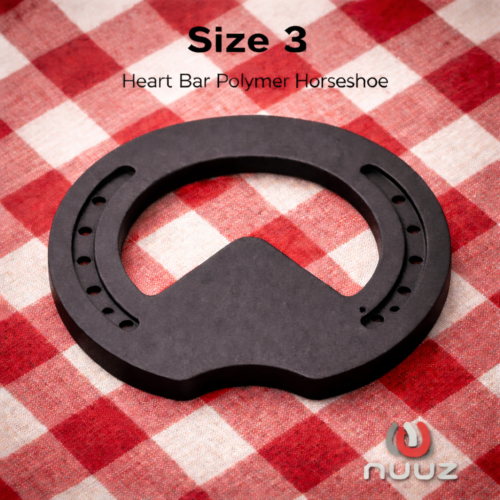
- Composite shoes
- Support pads
- Different breakover strategies
- Cushioning options
You can ask:
- “Are there nail-free options for sensitive hooves?”
- “Could softer materials help with comfort?”
- “Are custom or alternative shoes ever useful in cases like this?”
This opens the door to collaboration, not conflict.
Respect Experience While Advocating for Your Horse
Farriers work with many horses, but you know your horse best.
You can say:
- “I really value your experience.”
- “I just want to make sure my horse is as comfortable as possible.”
- “I’m open to your recommendations.”
Comfort-focused conversations work best when they’re respectful and cooperative.
Know When to Involve Your Veterinarian
If your horse shows:
- Persistent pain
- Sudden behavior changes
- Ongoing lameness
- Signs of laminitis or infection
Your farrier and veterinarian can work together to support your horse’s needs.
Hoof comfort is a team effort.
You’re Not “Being Difficult”
Caring about your horse’s comfort doesn’t make you demanding.
It makes you a responsible owner.
Asking thoughtful questions is part of good horsemanship.
Final Thought
Your horse can’t tell the farrier what hurts.
But you can share what you observe.
When owners and farriers communicate openly, horses benefit.
FAQ for Owners
Will my farrier be offended if I ask questions?
Most professionals appreciate engaged, observant owners.
What if my farrier doesn’t offer alternatives?
You can still ask about comfort-focused adjustments within their approach.
Should I switch farriers if my horse is uncomfortable?
Start with conversation first. Collaboration often leads to improvement.
Is custom shoeing always necessary?
No — but some horses benefit from more individualized support.
Call to Action
If your horse’s comfort matters to you, your voice matters too.
Pay attention to:
- Movement
- Behavior
- Reset day reactions
- Posture
- Willingness
Then start a conversation that focuses on comfort, not criticism.
Because the best hoof care happens when owners, farriers, and horses are all heard.
About the author : Walt Jaeger