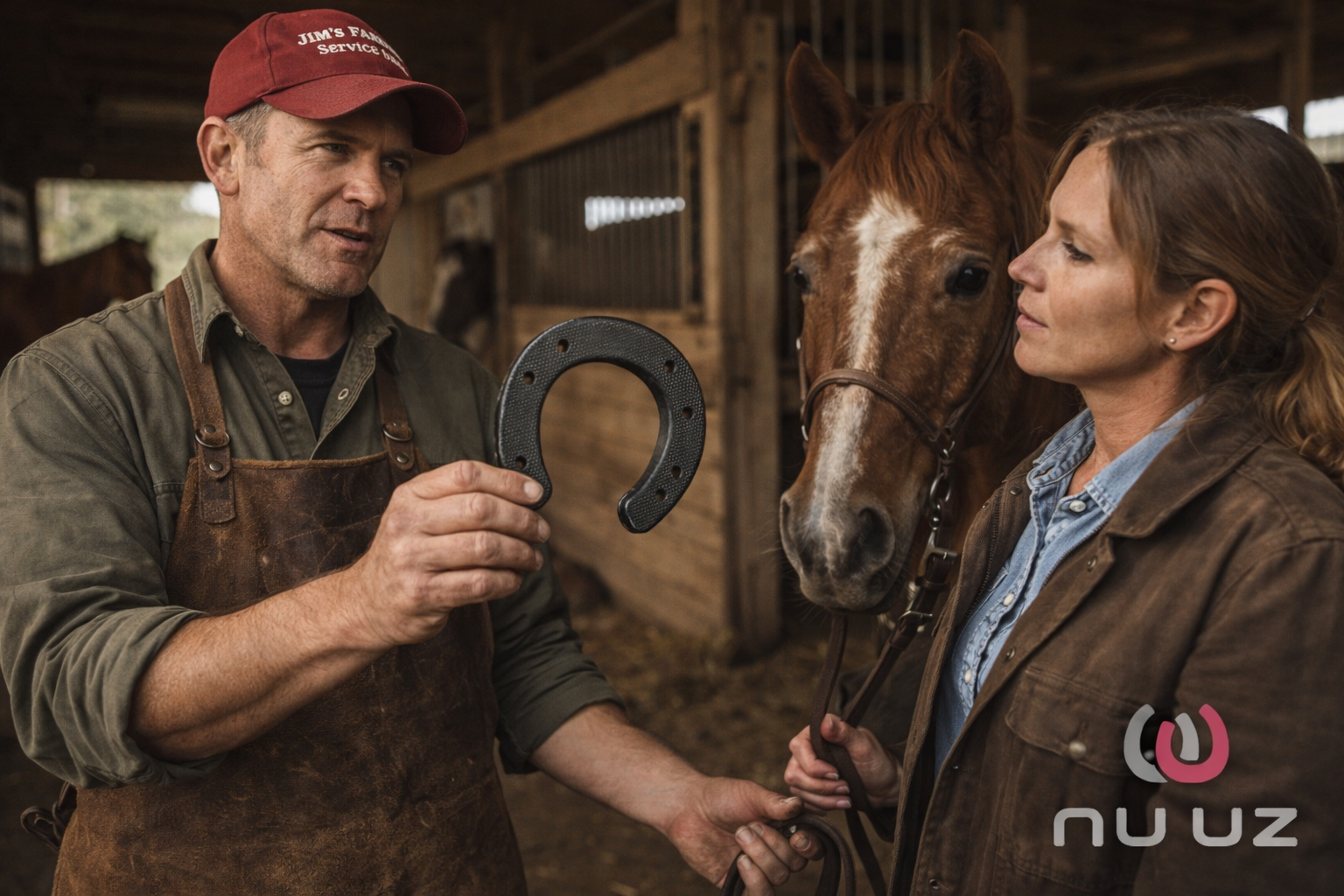
Maybe It’s Not the Event, maybe It’s the Shoes
Does your horse:
- Get anxious when the farrier arrives?
- Resist having their feet handled?
- Need heavy restraint or sedation?
- Show signs of stress, tension, or fear on shoeing day?
It’s easy to assume they just don’t like the process.
But what if the real issue isn’t the farrier…
What if it’s pain?
Horses Don’t Fear for No Reason
Horses are prey animals. Their instincts are wired for survival, not dramatics.
When a horse consistently reacts with fear, tension, or resistance, it usually means one thing:
They’re trying to protect themselves from something uncomfortable.
And for many horses, that discomfort starts in the hooves.
Hoof Pain Isn’t Always Obvious
Some hoof problems are dramatic, abscesses, severe laminitis, obvious lameness.
Others are subtle:
- Thin soles
- Weak or brittle hoof walls
- White line disease
- Mild laminitic changes
- Heel pain
- Capsule distortion
These issues can cause ongoing discomfort without obvious limping.
But when the farrier begins to handle, trim, rasp, or nail; that hidden sensitivity becomes very real to the horse.
Why Reset Day Can Hurt
Traditional metal shoeing often involves:
- Trimming sensitive structures
- Driving nails into the hoof wall
- Hammering and vibration
- Rigid shoes that concentrate pressure
For a healthy hoof, this may be tolerable.
For a compromised hoof, it can be painful.
If your horse associates shoeing day with discomfort, fear is a natural response.
When Restraint or Sedation Becomes “Normal”
Some horses are routinely:
- Cross-tied tightly
- Held by multiple handlers
- Sedated
- Muzzled
- Restrained
While safety always matters, it’s worth asking:
Is this because my horse is “difficult”…
or because something hurts?
Pain changes behavior.
Fear is communication.
It Might Be the Shoes, Not the Event
If a horse is consistently reactive during:
- Trimming
- Nailing
- Shoe fitting
- Reset day in general
The problem may not be the farrier.
It may be that the hoof and shoeing method are not matching the horse’s comfort needs.
A Different Approach to Hoof Support
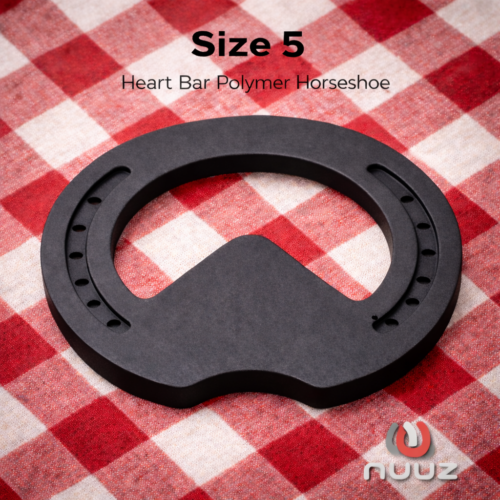
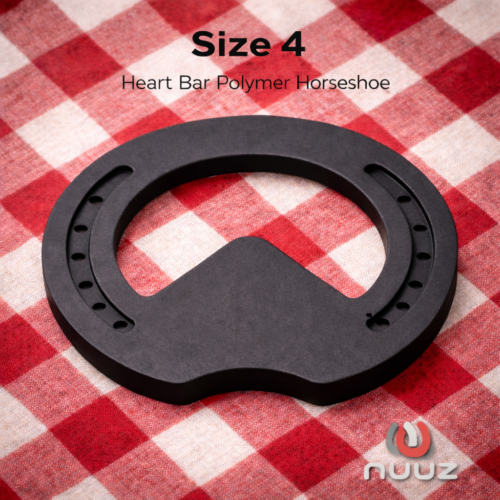
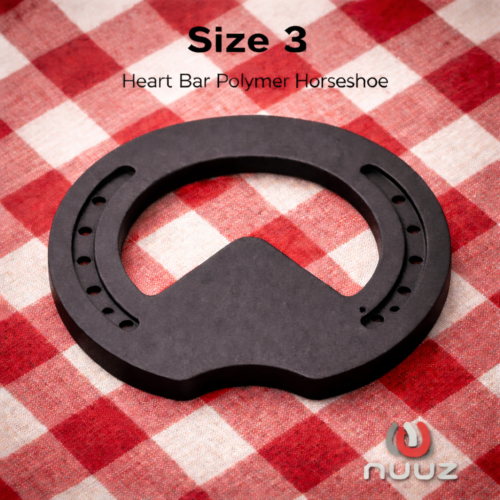
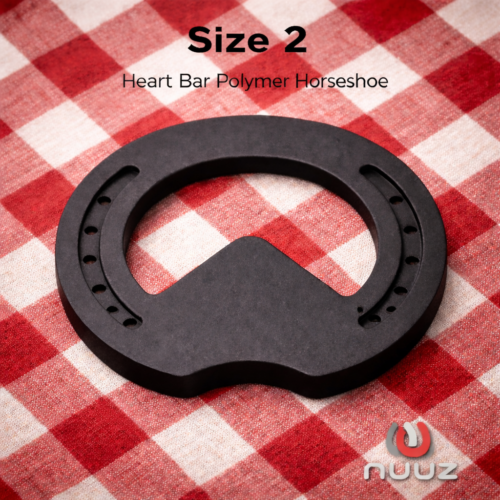
Modern glue-on, custom-fit, and 3D-printed horseshoes allow:
- Nail-free attachment
- Less hoof wall trauma
- Softer support materials
- Better pressure distribution
- Shoes shaped to the horse’s actual hoof
For sensitive or compromised hooves, this can mean:
- Less discomfort during application
- Less stress on weak structures
- A calmer reset experience
- A more relaxed horse
Not because the horse was “fixed” , But because the pain was reduced.
Comfort Changes Behavior
When horses feel more comfortable, owners often notice:
- Less resistance to hoof handling
- Calmer reset days
- Less anxiety when the farrier arrives
- More relaxed posture
- Easier movement afterward
Behavior is often a reflection of comfort.
This Isn’t About Blame
Farriers do important, skilled work.
Most horses aren’t “bad.”
And owners want what’s best.
Sometimes, it’s just about finding a better mechanical match for a sensitive hoof.
What Your Horse Is Telling You (Without Words)
If your horse:
- Dreads reset day
- Needs sedation
- Shows fear or tension
- Resists hoof handling
They may not be “difficult.”
They may be hurting.
And pain deserves a thoughtful response.
Final Thought
Your horse can’t explain what hurts.
But their behavior speaks volumes.
Sometimes, changing the shoeing approach, not the horse, is what makes all the difference.
FAQ for Owners
Is it normal for horses to hate shoeing?
Some dislike the process, but persistent fear can be a sign of discomfort.
Does sedation mean my horse is just difficult?
Not always. It can also mean the process is uncomfortable for them.
Are glue-on shoes safer?
They can be beneficial for horses with sensitive or compromised hooves.
Will changing shoes fix my horse’s condition?
No, but it can improve comfort and reduce stress.
Call to Action
If your horse dreads reset day, it may be time to ask why.
Talk to your farrier about:
- Comfort-focused shoeing
- Nail-free options
- Custom-fit solutions
- Hoof health beyond tradition
Because a calmer horse isn’t just easier to work with,
They’re often a more comfortable one.
About the author : Walt Jaeger