Why Discomfort Changes How Your Horse Acts
Horses don’t complain.
They don’t tell us when something hurts.
They don’t describe soreness or pressure.
They don’t explain why they feel tense.
Instead, they show us, through their behavior.
When a horse’s hooves are uncomfortable, their movement, attitude, and reactions often change in subtle but meaningful ways. Understanding the connection between hoof pain and behavior can help owners respond with compassion, not frustration.
Pain Changes Behavior in Every Animal
In any species, pain affects:
- Willingness to move
- Tolerance for handling
- Patience
- Focus
- Emotional state
Horses are no different.
The difference is that horses are prey animals. Their instinct is to hide weakness, not advertise it. So instead of obvious signs of pain, we often see behavioral shifts.
Common Behavior Changes Linked to Hoof Discomfort
Hoof pain doesn’t always cause limping.
Often, it shows up as:
- Shortened strides
- Reluctance to move forward
- Hesitation on hard ground
- Increased spookiness
- Irritability during handling
- Resistance to lifting feet
- Anxiety when the farrier arrives
- Weight shifting when standing
- Changes in performance
None of these behaviors mean a horse is “bad.”
They mean the horse is protecting itself.
Why the Hooves Matter So Much
A horse’s entire body weight is supported by four relatively small structures. When even one hoof is uncomfortable, the horse has to:
- Shift weight
- Adjust movement
- Change posture
- Compensate elsewhere
Over time, this compensation can affect:
- Muscles
- Joints
- Tendons
- Overall comfort
And discomfort affects mood.
Subtle Pain Is Easy to Miss
Not all hoof problems are dramatic.
Some are quiet:
- Thin soles
- White line separation
- Mild laminitic changes
- Heel pain
- Hoof wall weakness
- Capsule distortion
These issues can cause chronic, low-grade discomfort without obvious lameness. But the horse still feels it, especially during trimming, shoeing, or work.
Reset Day Reactions Are Often a Clue
If your horse:
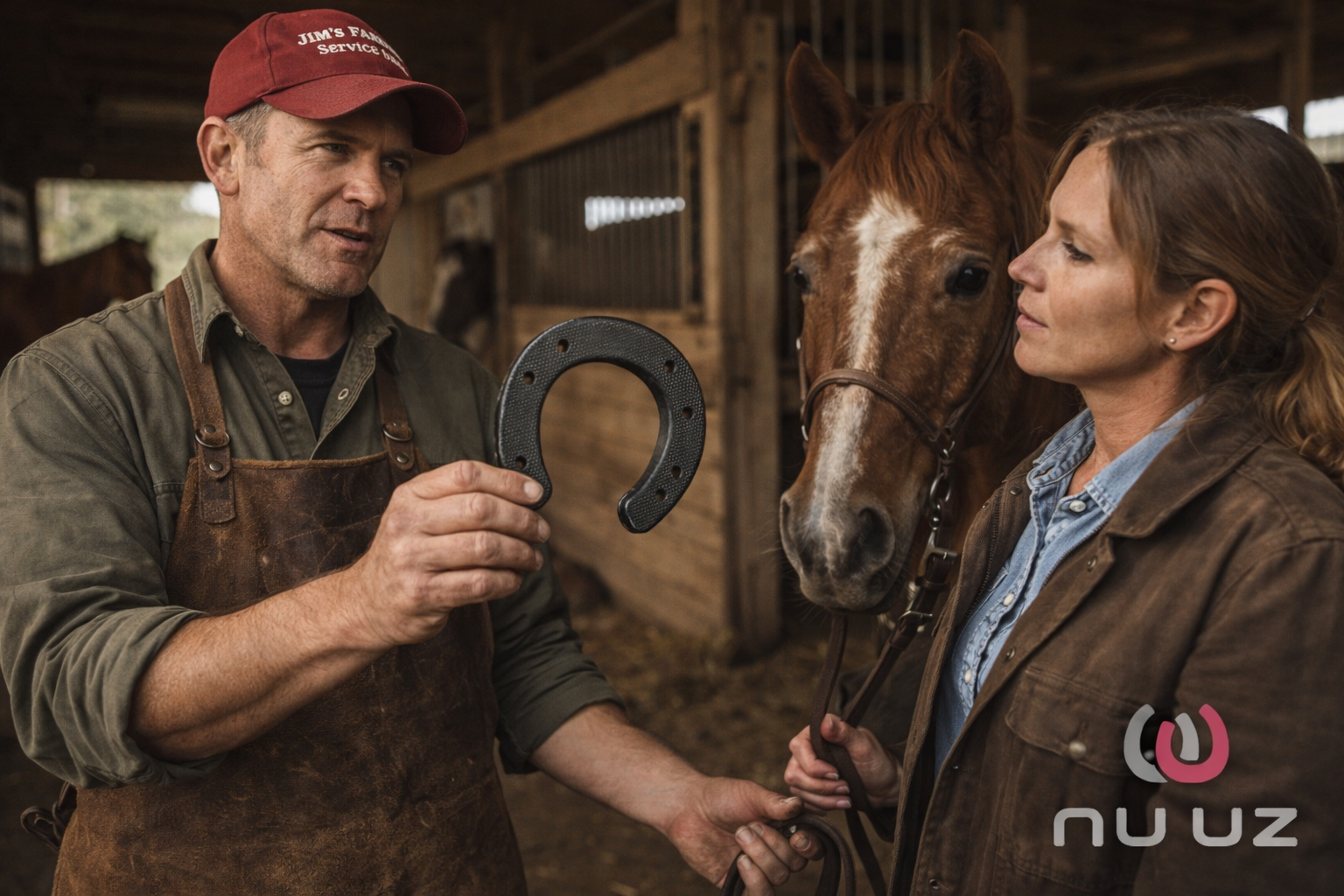
- Gets anxious when the farrier arrives
- Pulls away during trimming
- Needs restraint or sedation
- Acts defensive about their feet
It’s easy to label them as “difficult.”
But it’s worth asking:
Is this behavior… or is it discomfort?
Pain teaches animals to anticipate stress.
Anticipation creates fear.
Fear creates resistance.
Comfort Changes Attitude
When hoof comfort improves, many owners notice:
- Calmer behavior
- Less resistance to handling
- More relaxed movement
- Improved willingness
- Better focus under saddle
- Easier reset days
Behavior often reflects comfort more than personality.
This Isn’t About Blame
Farriers work hard.
Owners care deeply.
Horses aren’t dramatic.
Sometimes, the issue isn’t who is involved —
It’s how the hoof is being supported.
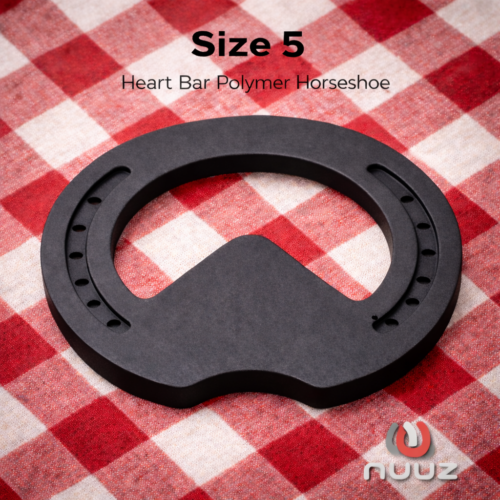
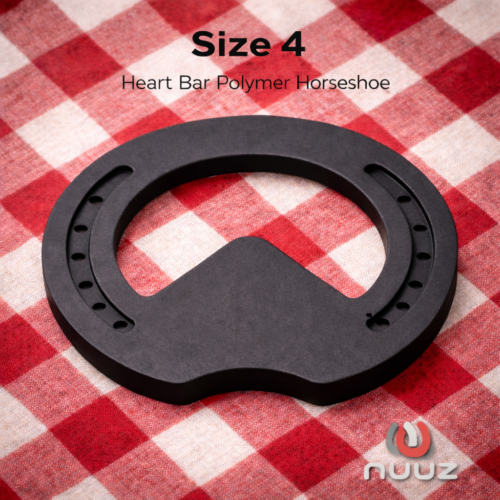
Small mechanical changes can reduce stress and improve comfort, which often leads to better behavior.
What Your Horse Is Telling You
Your horse may not speak, but they communicate through:
- How they move
- How they stand
- How they react
- How they behave
If something has changed, it’s worth listening.
Final Thought
Behavior isn’t just training.
It’s not just attitude.
It’s often comfort.
When the hooves feel better, the horse often does too.
FAQ for Owners
Can hoof pain really affect behavior?
Yes. Discomfort influences movement, tolerance, and emotional responses.
My horse isn’t lame, could they still be uncomfortable?
Absolutely. Many horses hide chronic, low-grade pain.
Is sedation always necessary?
Not always. Sometimes reducing discomfort reduces resistance.
What should I do if I notice changes?
Talk with your farrier or veterinarian about comfort-focused options.
Call to Action
If your horse’s behavior has changed, their hooves may be part of the story.
Pay attention to:
- Movement
- Posture
- Reset day reactions
- Willingness
Because when discomfort is addressed, confidence and calm often follow.
About the author : Walt Jaeger